
The Witcher Trail: The Real Monsters of Polish Mythology
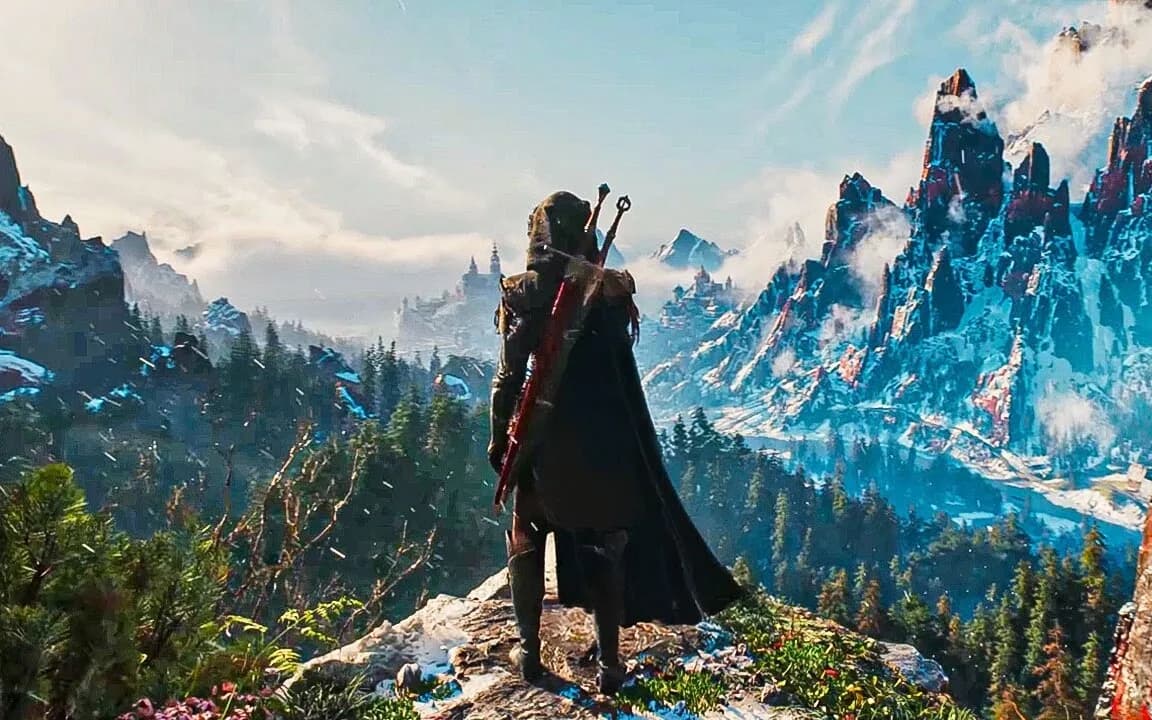
If you ask someone outside of Eastern Europe about Polish pop culture, they will probably mention one name: Geralt of Rivia. Thanks to the incredibly successful video games and the hit TV series, The Witcher (Wiedźmin) has become a massive global phenomenon.
However, many fans do not realize that the terrifying, morally complex world Geralt explores is heavily based on actual Slavic folklore. Long before it became a gaming empire, Poland had a rich, dark mythology filled with creatures that rural farmers genuinely feared.
The Real Monsters of the Countryside
Slavic mythology is deeply connected to nature, the changing seasons, and survival. The monsters in these ancient tales were usually creative explanations for natural disasters, sudden diseases, or the very real dangers of the deep forest.
Here are a few iconic creatures from the lore that you might recognize:
-
Południca (The Noonwraith): In the games, she is a terrifying, glowing ghost floating over the fields. In real Slavic folklore, the Południca was a female demon who hunted farmers working during the hottest part of the midday sun. If a field worker suffered a heatstroke or passed out from exhaustion, the locals blamed the Noonwraith.
-
Strzyga: Made famous by the very first Witcher short story, a strzyga is a human woman transformed by a terrible curse into a fierce, vampire-like creature with two rows of teeth. According to old superstitions, people born with two hearts or a second set of teeth were destined to become one.
-
Leszy (The Leshen): This is the ancient, towering spirit of the primal forest. Slavic people deeply respected the dark woods, and the Leszy was the protector of the trees and wild animals. If you got lost in the forest, folklore said it was because the Leszy was playing tricks on your mind.
Why You Should Dive into the Lore
Using a familiar pop culture franchise like The Witcher is a brilliant bridge to learning about ancient Polish history and rural superstitions. It introduces you to the deep, slightly dark, and highly philosophical roots of Slavic storytelling.
These stories show a world where humans are constantly trying to balance their fragile lives alongside a powerful, untamed nature. Understanding these ancient myths gives you a completely different appreciation for the Polish landscape. The next time you take a walk through a dense Polish pine forest or drive past a massive wheat field in the summer, you might find yourself looking over your shoulder!
Useful Resources
-
Culture.pl: Slavic Demons – The Good, The Bad & The Ugly – A comprehensive, English-language breakdown of the most famous creatures in Polish folklore and exactly what they represented to ancient people.
-
Slavic Mythology Park in Owidz (Grodzisko Owidz) – If you want a real-life adventure, visit this reconstructed medieval Slavic settlement in northern Poland. It is home to the fascinating Museum of Slavic Mythology, offering a truly immersive experience.
-
The Witcher Book Series by Andrzej Sapkowski – If you have exclusively played the games or watched the show, you have to read the original short stories (starting with The Last Wish). They are filled with incredible Polish humor, idioms, and rich folklore.
-
Slavic Bestiary (Bestiariusz Słowiański) by Paweł Zych – A beautifully illustrated print encyclopedia of Slavic monsters. Even if you buy the Polish edition, the intricate artwork alone makes it a fantastic coffee table book.
-
YouTube: Slavic Mythology in The Witcher Explained – Search for video essays comparing the game's creature designs directly to their historical Slavic origins. It is a fantastic way to visually connect the gaming lore with real history.
Vocabulary Cheat Sheet
| Polish Word | Pronunciation | Meaning |
|---|---|---|
| Wiedźmin | Vyedzh-meen | Witcher. |
| Potwór | Pot-voor | Monster. |
| Słowianie | Swo-vya-nye | Slavs / Slavic people. |
| Las / Puszcza | Las / Poosh-cha | Forest / Primal forest. |
| Klątwa | Klont-va | Curse. |
| Zabobony | Za-bo-bo-ny | Superstitions. |
| Legenda | Le-gen-da | Legend. |
Further reading

2 Sept 2026

25 Aug 2026